

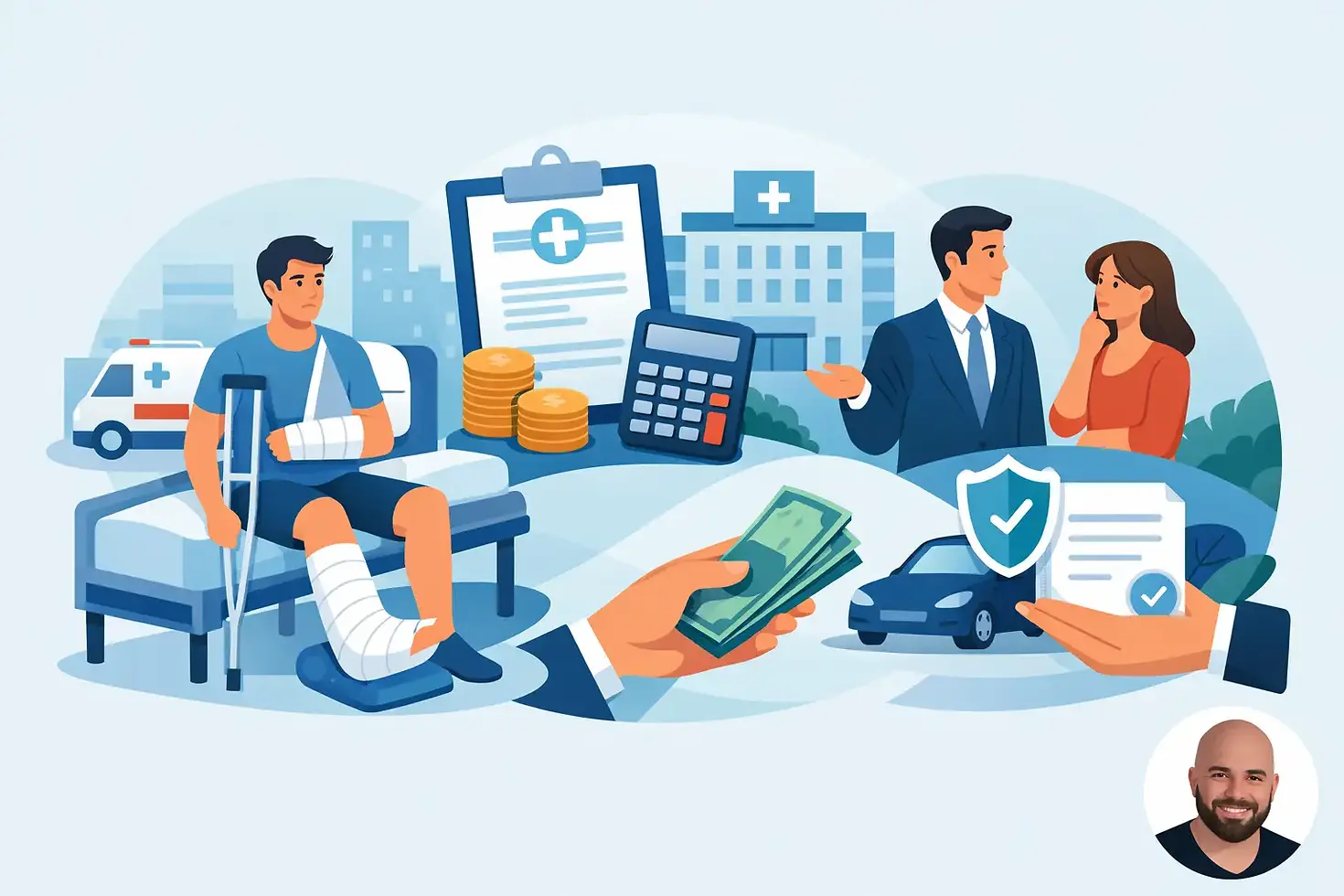
Who Pays Medical Bills After Accident?
The ambulance ride is over, the ER visit is done, and then the bills start showing up before the pain does. If you are asking who pays medical bills after accident, the frustrating answer is that payment often comes from more than one source - and not always in the order people expect.
That matters because the person who caused the crash or fall usually does not write a check to the hospital right away. Medical providers want payment now. Insurance companies investigate on their own timeline. Meanwhile, you are trying to heal, miss work, and figure out why bills are landing in your mailbox when someone else caused the injury.
Who pays medical bills after accident injuries?
In most injury cases, your medical bills are paid first by available insurance coverage, not by the at-fault party directly. Depending on the facts, that may include your health insurance, MedPay coverage, workers' compensation, or sometimes uninsured or underinsured motorist coverage. Later, an injury claim or lawsuit may seek repayment of those medical costs as part of your compensation.
This is where many people get blindsided. They assume the at-fault driver's insurer must immediately cover every doctor visit. In reality, liability insurance usually pays after settlement or judgment, not as treatment happens. Until then, the bills have to go somewhere.
The answer depends on how the accident happened
A car crash, a work injury, a slip and fall, and a nursing home neglect case can all lead to the same question, but the payment path is different in each one.
If you were hurt in a car accident, your own auto policy may have medical payments coverage. If you have health insurance, it may cover treatment subject to deductibles, copays, network rules, and reimbursement rights. If the other driver was clearly at fault, you can pursue a claim for those expenses, but that does not mean their insurer pays immediately.
If you were hurt at work, workers' compensation is usually the primary source for reasonable and necessary medical care related to the injury. In those cases, health insurance may deny bills that should go through workers' comp.
If you were injured on someone else's property, such as in a store or apartment building, there is usually no immediate liability payment for treatment. Health insurance often becomes the short-term payer while the legal claim develops.
Health insurance often pays first
For many injured people, health insurance is the practical answer to who pays medical bills after accident treatment begins. It can help you get care without waiting months for a settlement.
That does not mean the bills disappear. Your insurer may later claim reimbursement from any settlement or verdict, often called subrogation or a lien. The amount owed back depends on the type of plan, the law that applies, and whether reductions can be negotiated.
Even so, using health insurance is often far better than delaying care. Gaps in treatment can hurt your physical recovery and give an insurance adjuster an argument that your injuries were not serious.
MedPay can be valuable if you have it
Medical payments coverage, often called MedPay, is optional auto coverage in many policies. It can pay certain medical expenses regardless of fault, up to the coverage limit.
This can be especially helpful for ambulance charges, ER care, follow-up visits, and deductibles your health insurance leaves behind. MedPay limits are often modest, so it may not cover everything after a serious crash, but it can relieve immediate pressure.
Policy language matters. Some drivers have MedPay and do not realize it. Others assume they have it when they do not. Checking the declarations page early can make a real difference.
Workers' compensation changes the picture
When the injury happened on the job, workers' compensation may be responsible for medical treatment and a portion of lost wages. That system is separate from a regular personal injury claim.
There can still be overlap. If a third party caused the work injury - for example, another driver hit you while you were working - you may have both a workers' compensation case and a third-party injury claim. In that situation, figuring out who pays what, and who gets reimbursed later, becomes more complicated.
Why the at-fault insurance company usually does not pay right away
Liability carriers protect their own insured first. They do not automatically accept your version of events, and they do not usually pay medical providers as treatment happens. They investigate fault, review records, question whether care was necessary, and look for ways to reduce value.
That delay creates a real financial problem for injured people. You may need MRIs, physical therapy, surgery, prescription medication, or specialist care long before the claim resolves. Waiting for the liability insurer to do the right thing is rarely a workable plan.
This is one reason early legal guidance matters. A serious injury claim is not just about proving fault. It is also about managing bills, protecting your right to treatment, documenting damages, and avoiding mistakes that can reduce your recovery.
What if you do not have health insurance?
Lack of health insurance makes the situation harder, but not hopeless. Some providers will treat on a lien or letter of protection in certain injury cases, meaning payment may be deferred until the case resolves. Others may offer payment plans or reduced self-pay rates.
There are trade-offs. Treatment on a lien can help you get necessary care, but balances may be higher than insurance-negotiated rates. Not every provider will agree to it. And if the case faces a dispute over fault or limited insurance coverage, there is more risk.
That is why case evaluation matters early. Before making assumptions about how treatment will be covered, it helps to know the available insurance, the likely claim value, and whether there are coverage issues that could affect your medical bills.
Medical liens, reimbursement claims, and what you actually keep
One of the most misunderstood parts of an injury case is that getting compensation for medical bills does not always mean you keep every dollar allocated to those bills.
If health insurance, Medicare, Medicaid, workers' compensation, or a provider on a lien paid for your treatment, they may assert a right to reimbursement from your settlement. Those claims are not all the same. Some are strict, some are negotiable, and some require close legal review because mistakes can be expensive.
This is where representation can protect the bottom line. The goal is not just to settle the case. The goal is to maximize what ends up in your pocket after medical expenses, liens, and insurer reimbursement claims are addressed.
Steps to take if bills are already arriving
Start by getting treatment and following medical advice. Your health comes first, and consistent care also creates a clear record of injury.
Then gather every source of coverage you may have. That includes health insurance cards, your auto declarations page, any MedPay information, workers' compensation claim details, and correspondence from adjusters or providers. Small coverage details can change the short-term and long-term outcome.
Keep every bill, explanation of benefits, prescription receipt, and mileage record tied to treatment. Insurance companies often challenge damages that are not documented.
Most importantly, do not guess about who should pay what. Sending bills to the wrong carrier, giving recorded statements too early, or settling before future treatment is understood can leave you paying out of pocket for someone else's negligence.
When legal help becomes especially important
Some cases are straightforward. Many are not. If you were hospitalized, needed surgery, missed significant work, suffered a permanent injury, or are dealing with denied bills, disputed fault, or multiple insurance policies, the stakes rise quickly.
An injury lawyer can identify all available coverage, deal with adjusters, help coordinate billing issues, calculate the full value of medical damages, and pursue compensation for more than just the bills on the table today. That includes future treatment, lost income, pain and suffering, and the financial fallout that serious injuries often create.
For injured people in Northern Illinois, that support can mean the difference between scrambling to keep up with bills and building a claim that reflects the true cost of what happened. The Law Office of Kevin P. Justen, PC focuses on helping injury victims pursue the full compensation they need while the legal and insurance burden is handled directly.
The shortest honest answer to who pays medical bills after accident claims is this: usually not one person, not one policy, and not all at once. But if another party caused your injuries, you should not be the one left carrying the financial weight without a fight. Get the bills organized, get the coverage reviewed, and get help before an insurance company decides your case is worth less than it really is.


